Research Fellows
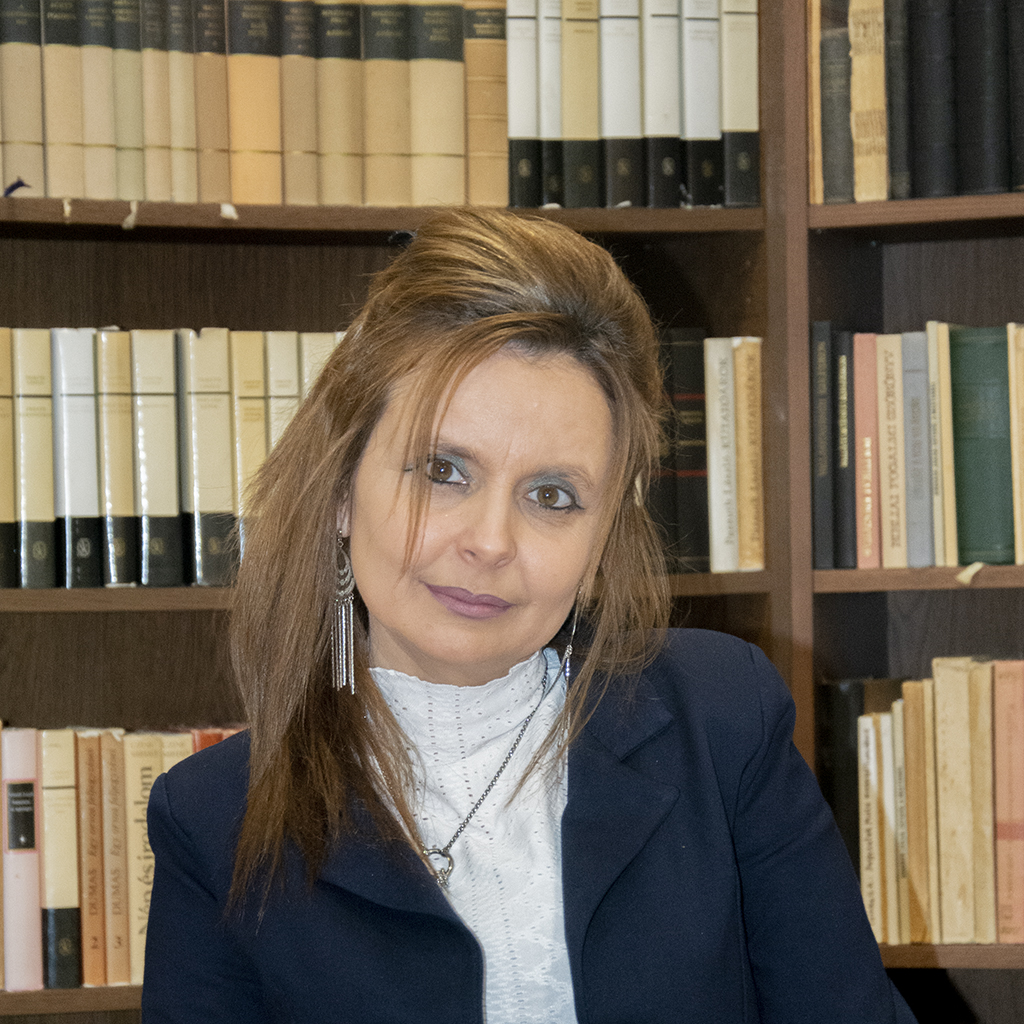
Izabella Szűcs Kószó, M.Th.
Izabella was born in 1978 in Subotica. In 2004 she graduated from medical college in Serbia. In 2016 Izabella enrolled the Szent Pál Academy theological seminary in Budapest, Hungary, where she obtained her master of theology degree cum laude in 2021. The field of her academic interest is Christian anthropology. Izabella is a full-time professor of High Medical School in Subotica, as well as the coordinator of the school’s professional curriculum. Also, Izabella is very active in church life, principally taking part in Sunday School activities as well as church music.
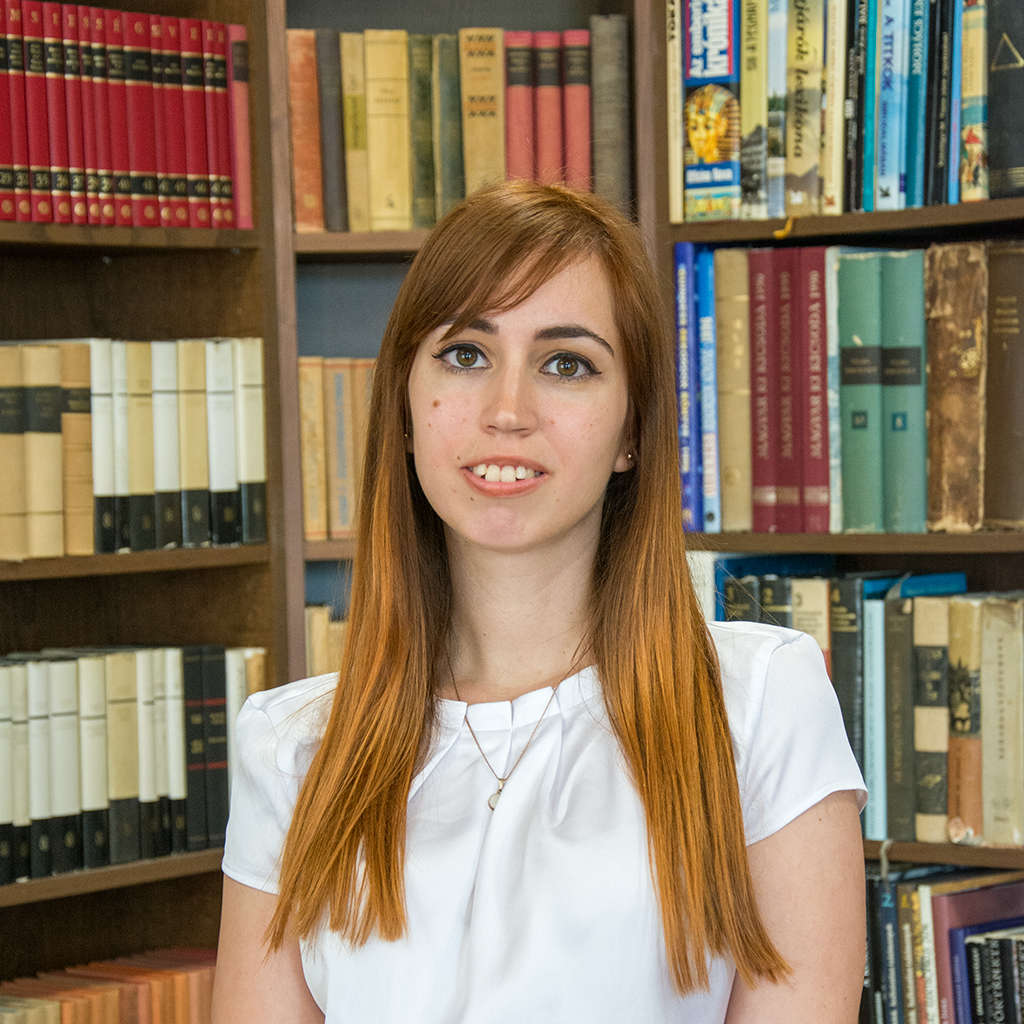
Dorottya Urbán, PhD
Dorottya Urbán was born in 1994 in Subotica. In 2017 she graduated from the University of Novi Sad, Hungarian Language Teacher Training Faculty in Subotica. In 2018 she obtained her master’s degree. In the same year she started her doctoral studies at the Eszterházy Károly University in Eger, Hungary, opting for the digital pedagogy programme. In 2021. Dorottya got her teacher licensure in computer science. Since 2019 she has been actively involved in the curriculum development group of the local e-Region organization. Dorottya is a frequent speaker on national and international conferences and an author of various publications.
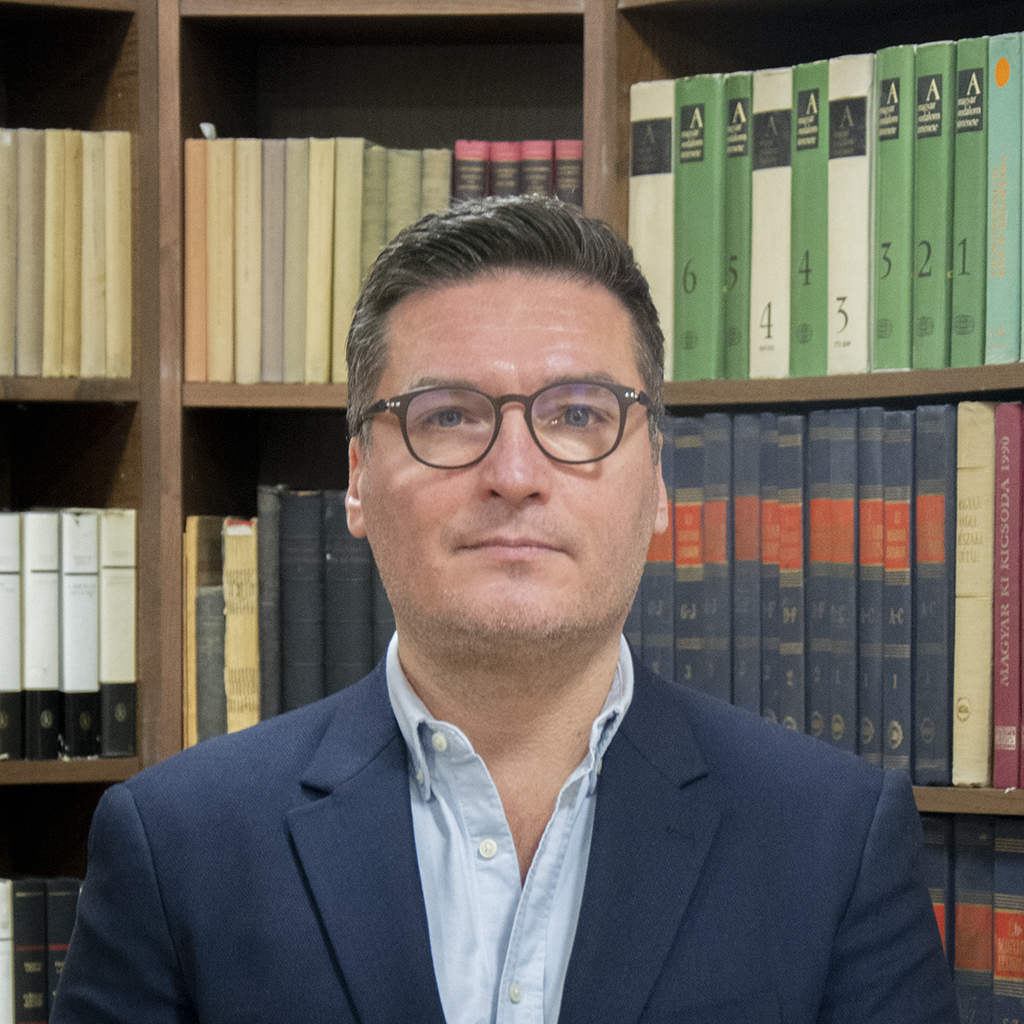
Damir Sütő, PhD,
Damir Sütő is a legal scholar specialising in freedom of thought, conscience, and religion across historical and contemporary contexts, as well as in comparative law. His research addresses human dignity, majority–minority relations, multiculturalism, and legal pluralism, with particular attention to how legal systems shape freedom, tolerance, belief, and identity, tracing the historical evolution of rights of conscience from early modern regimes to contemporary legislative frameworks. A distinct strand of his work examines the structures and underlying philosophies of common-law and civil-law traditions, grounded in his doctoral research on the English doctrine of consideration and advanced training in common-law legal methods at the University of Cambridge. In parallel, he has published extensively on comparative private and procedural law, focusing on enforcement mechanisms and the practical operation of legal norms in the Western Balkans and Europe. Dr Sütő has collaborated with Belgrade Union University, the University of Warsaw, and Expertise France on civil-procedure reforms in Ukraine and other international projects.
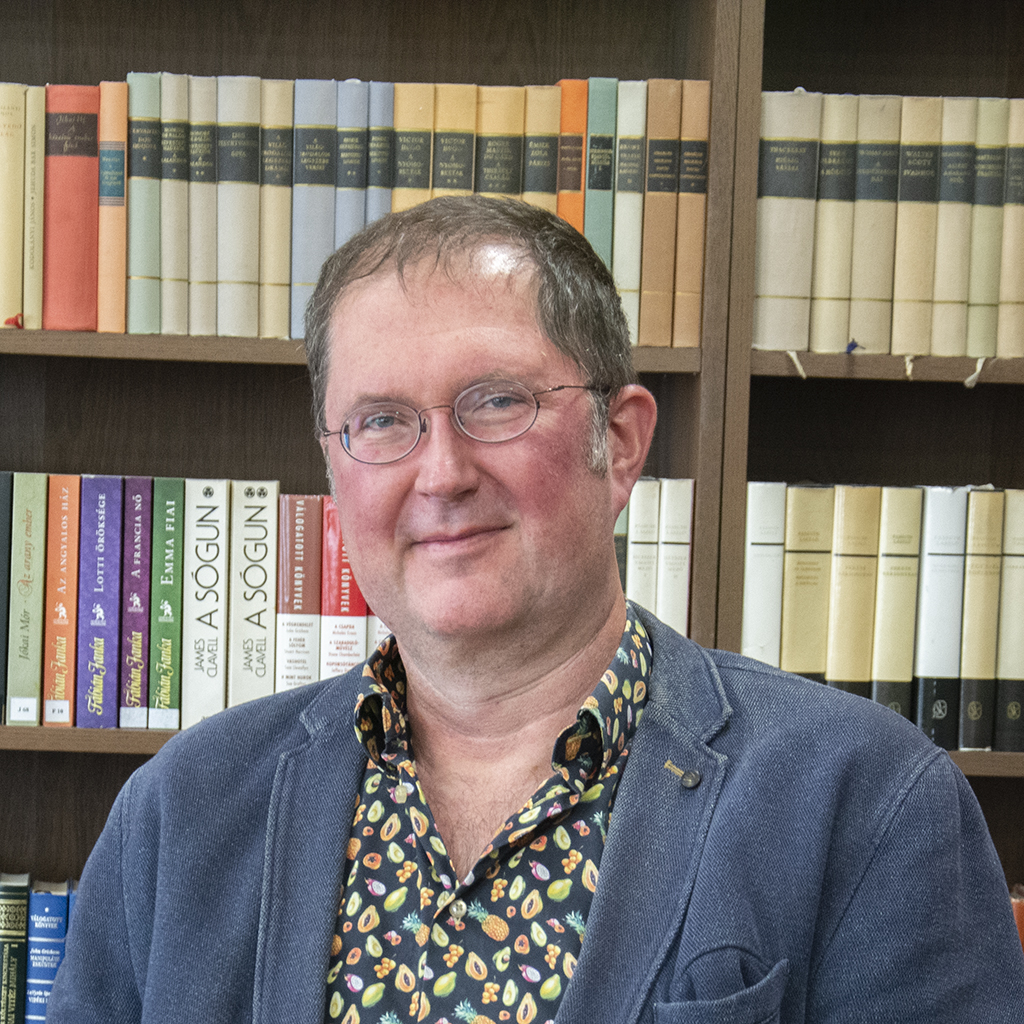
Gábor Mondovics
Date and place of birth: December 22, 1972, Budapest Hungary. I started my university studies in the 1990s when I came across Slavic languages, along with their antiquities, religion, and culture, advancing my curriculum by attending a number of educational programmes in Sofia. Through scholarship grants, as well as personal fundings, I had the opportunity to get myself acquainted in more details with the South Slavic regions once occupied by the Ottoman Empire, developing a genuine affection for its inhabitants and their chronicles. Since 2007 I have been teaching History of Eastern Church on pre-graduate and post-graduate university programmes. The syllabus includes a specific overview of the history of the Balkans in terms of religion, culture and politics.

János Éliás
János Éliás was born in 2000 in Karcag, Hungary. He obtained a secondary school teaching degree in English and History at University of Debrecen in 2024. In the same year, he was admitted to the Doctoral School of History and Ethnology (University of Debrecen). His research focuses on the history of the Nagykunság Reformed Diocese between 1715 and 1821 with particular attention to its administrative structures and the composition of its office-holders. In parallel with his doctoral research, he is compiling a comprehensive biographical register of the district’s ministers, rectors, schoolmasters, and other officials, based on systematic parish-level source exploration and archival research. His scholarly interests also encompass the history of the Bačka congregations founded by settlers from the Nagykunság region (Feketić; Stara Moravica; Pačir). He has been working as a historian at Györffy István Nagykun Museum in Karcag since 2024. In addition to his institutional work, he serves as a researcher in a church history project (NKFIH OTKA K-145896), and has presented his findings at several national and international conferences.
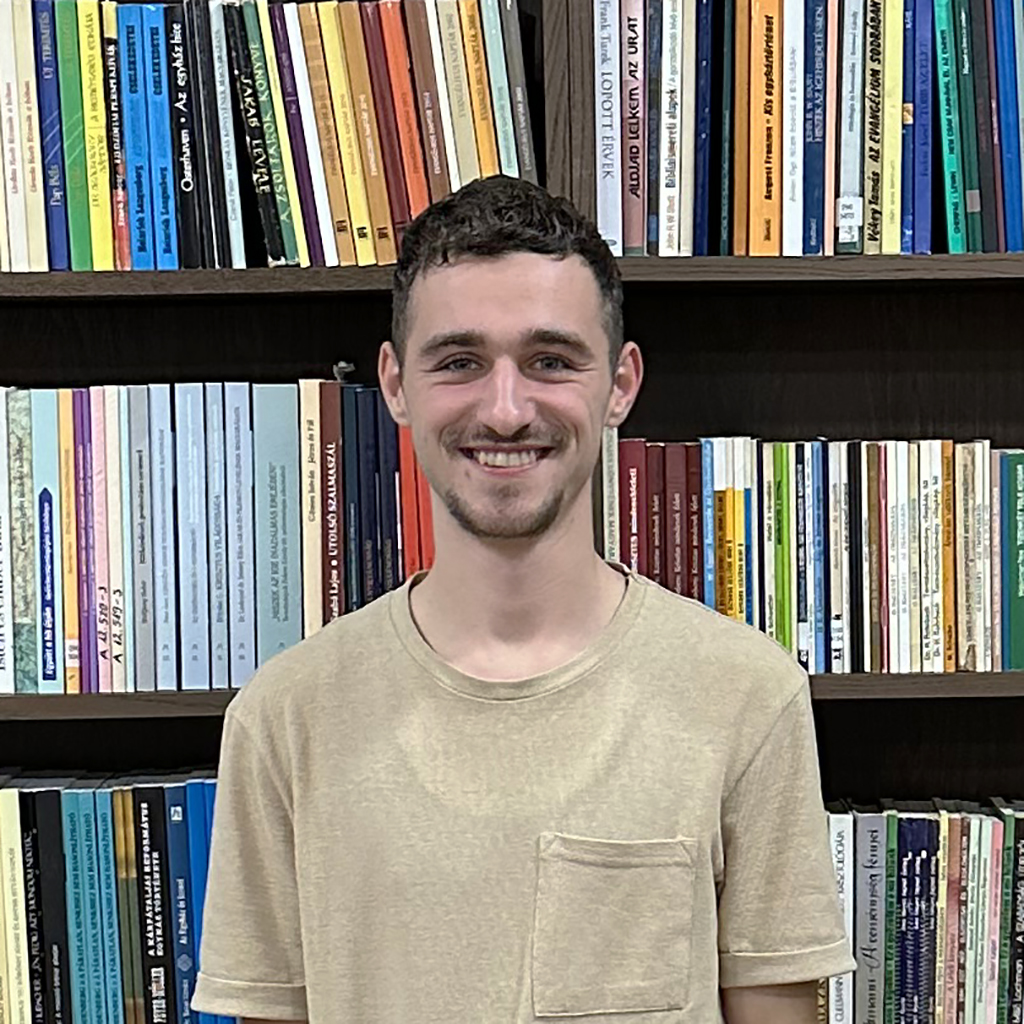
Dávid Fic
Dávid Fic was born in 2000 in Humenné, Slovakia. He moved with his parents to Serbia in September 2004 and currently resides in Novi Sad. He completed his integrated academic studies at the Faculty of Sciences, University of Novi Sad, earning the degree of Master Professor of Biology. Since 1 October 2024 he has been employed as a teaching associate in Botany at the Faculty of Agriculture, University of Novi Sad. In the same year he enrolled in doctoral academic studies, module Doctor of Biological Sciences, at the Faculty of Sciences, University of Novi Sad.
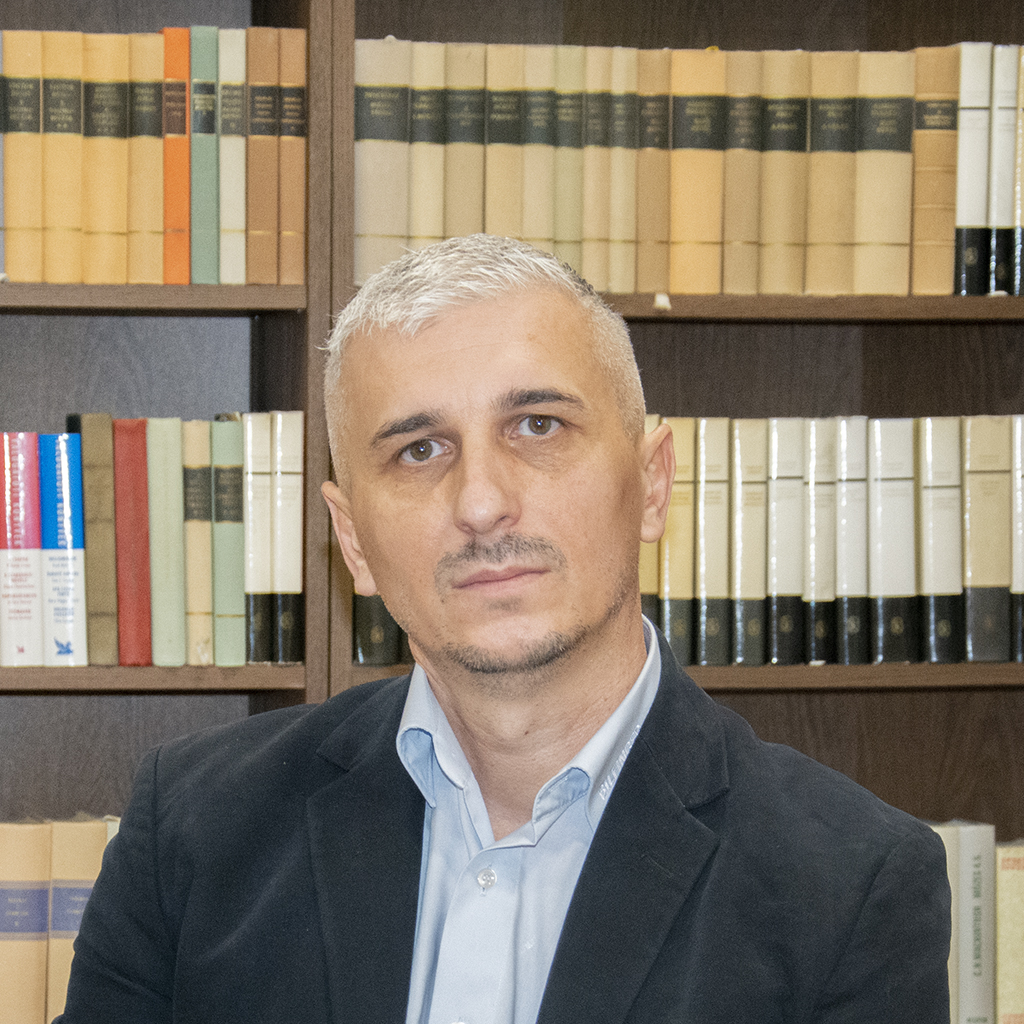
Csaba Szűcs, M.Th.
Csaba Szűcs was born in 1975 in Subotica. In 2021 he obtained his master of theology degree from the Szent Pál theological seminary in Budapest. Since 2004 he has been an ordained minister of Faith Church. Csaba is the Senior Pastor of the Charismatic Faith Church in the Republic of Serbia.
Research Assistants
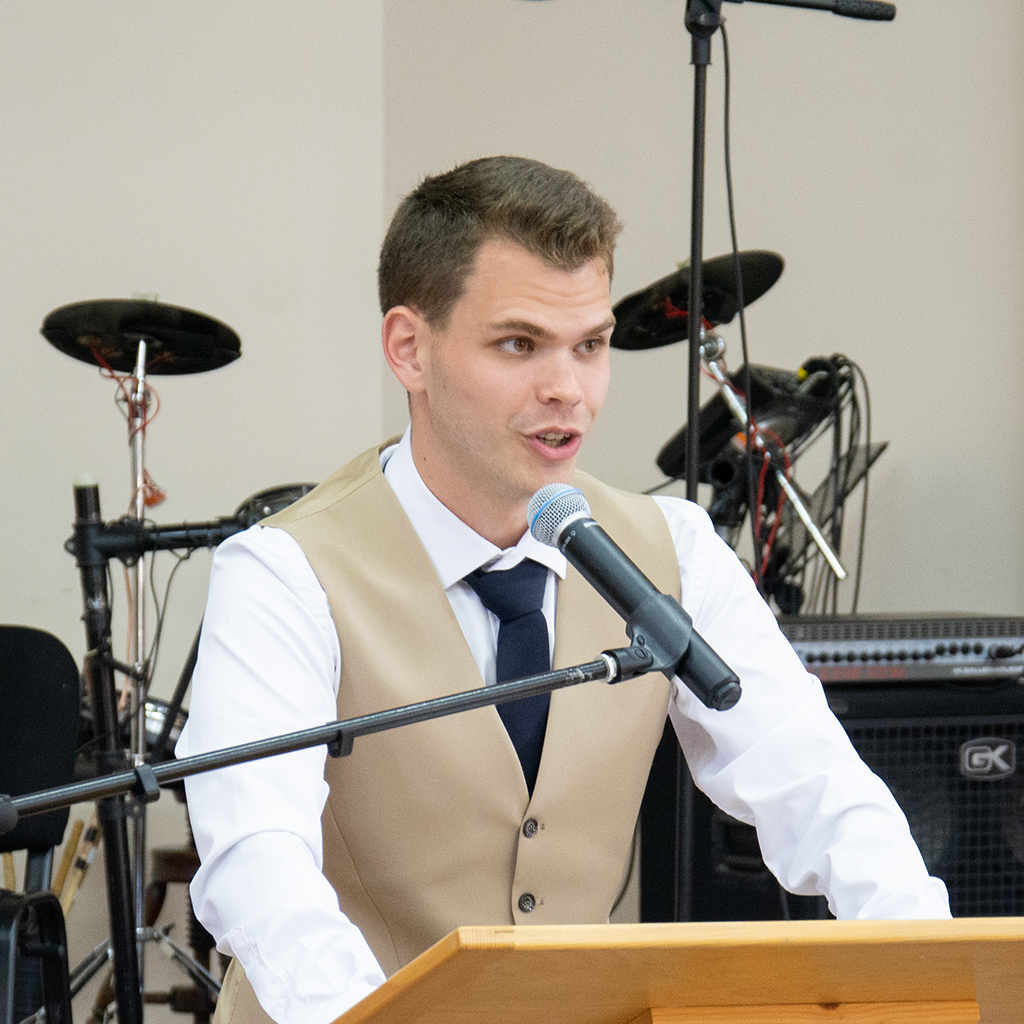
Richárd Morvai-Rácz
Richárd Morvai-Rácz was born in 2001 in Bačka Topola (Bácstopolya). He completed his primary school education at the Csáki Lajos Primary School in Topolya and his secondary education at the Kosztolányi Dezső Talent Development Gymnasium in Subotica, focusing on the German language. He then began his university studies in Novi Sad at the Faculty of Philosophy, Department of History. His interests include the history of the Habsburg Empire, the Ottoman Empire, as well as Central and Southeastern Europe. He is particularly focused on the periods of enlightened absolutism, dualism, and imperialism. In 2024, he started working as a journalist at the Hét Nap Publishing House, and in January 2025, he began working as a historian at the Intermunicipal Institute for Monument Protection in Subotica. He has been involved in numerous national and international projects and has participated in many conferences and seminars. He is fluent in Hungarian, Serbian, English, German, and French, and he has passive knowledge of Czech, Italian, Spanish, and Turkish. Additionally, he studied Latin for six years in both high school and university.